Erin Leigh

Owner PULP Brand Studio and Ooey Gooey Creative

It's time to talk about how to create a mood board for your brand, my favorite part of the creative process!

Before you learn how tho create a mood board for your brand, what exactly is a mood board? It’s a visual tool that captures the personality, essence, and vibe of your brand. It’s like a collage of colors, textures, images, and fonts that represent your brand’s identity and message.

Creating a mood board for your brand is a super fun process that allows you to get creative and explore different ideas. It’s like putting together a puzzle, but instead of solving it, you get to create something beautiful and unique that represents your brand.

The best part about creating a mood board for your brand is that it can help you focus and clarify your vision. You get to decide what colors, fonts, and images best represent your brand, and then bring them together in a cohesive and eye-catching way.

Once you have your mood board, you can use it as a reference for all your branding decisions, from designing your website to creating social media posts. It ensures that your brand remains consistent and recognizable across all platforms and channels.

Grab your personalized brand style go-to guide

How to design a great mood board.

Images

When it comes to creating a mood board, images are one of the most important components. They capture the mood and vibe of your brand, and help bring your vision to life. But with so many images out there, how do you choose the right ones for your mood board?

Here are some tips to help you choose the perfect images for your mood board:

  1. Look for Inspiration: Start by gathering inspiration from your favorite websites, social media accounts, and other brands that resonate with you. Look for images that capture the vibe and personality of your brand, and make a note of what you like about them.
  2. Consider Your Brand’s Personality: Think about the personality and message of your brand. Is it fun and playful, or serious and professional? Choose images that reflect your brand’s personality and message.
  3. Choose a Color Palette: Your moodboard should feature a cohesive color palette that represents your brand. Look for images that fit within your chosen color scheme.
  4. Balance Out the Types of Images: Mix up the types of images you choose. Include photos, illustrations, and abstract images to add depth and variety to your moodboard.
  5. Think About Your Audience: Consider your target audience when choosing images. What will resonate with them? Choose images that will appeal to your target audience and reflect their interests.
  6. Keep It Consistent: Finally, make sure the images you choose are consistent with your brand’s overall look and feel. They should complement each other and work together to create a cohesive visual representation of your brand.

So there you have it! With these tips in mind, you’ll be able to choose the perfect images for your mood board and create a visual representation of your brand that captures its personality, message, and vibe. So, let your creativity run wild and have fun with it!

Explore over 11,000 branding mockups and new colors to showcase various deliverables for your moodboard!

Colors

Colors are a vital component of any mood board, as they set the tone and mood of your brand. But with so many colors to choose from, how do you know which ones to use?

Here are some tips to help you choose the perfect colors for your mood board:

  1. Consider Your Brand’s Personality: Think about the personality and message of your brand. Is it fun and playful, or serious and professional? Choose colors that reflect your brand’s personality and message.
  2. Look for Inspiration: Start by gathering inspiration from your favorite websites, social media accounts, and other brands that resonate with you. Look for color palettes that capture the vibe and personality of your brand, and make a note of what you like about them.
  3. Think About Your Audience: Consider your target audience when choosing colors. What will resonate with them? Choose colors that will appeal to your target audience and reflect their interests.
  4. Use Color Psychology: Color psychology is the study of how colors affect people’s emotions and behavior. Use this knowledge to your advantage by choosing colors that evoke the desired emotions and behaviors for your brand.
  5. Keep It Simple: Your mood board should feature a cohesive color palette that represents your brand. Don’t go overboard with too many colors, as this can be overwhelming and confusing.
  6. Consider Contrast: Use contrast to make your mood board visually interesting. This can be achieved by using light and dark shades of the same color, or by using complementary colors.

Let your creativity run wild and have fun exploring crazy combos, you never know!

Typography

Typography is a crucial component of any mood board, as it helps convey the tone and personality of your brand. But with so many fonts to choose from, how do you pick the right ones?

Here are some tips to help you choose the perfect typography for your mood board:

  1. Think About Your Brand’s Personality: Consider the personality and message of your brand. Is it modern and sleek, or whimsical and playful? Choose typography that reflects your brand’s personality and message.
  2. Pair Complementary Fonts: Pair complementary fonts to create a visual hierarchy and add interest to your mood board. For example, use a bold font for headings and a simpler font for body text.
  3. Keep It Simple: Avoid using too many different fonts, as this can be overwhelming and confusing. Stick to two or three fonts at most, and use them consistently throughout your mood board.
  4. Consider Readability: Choose fonts that are easy to read, especially for body text. Avoid overly decorative or ornate fonts that can be difficult to read.
  5. Use Font Contrast: Use contrast to create visual interest and draw attention to important elements of your mood board. This can be achieved by using different weights or styles of the same font, or by pairing complementary fonts with different visual styles.
  6. Experiment with Scale: Play around with the scale of your typography to create hierarchy and visual interest. For example, use larger fonts for headings and smaller fonts for body text.

Choose the perfect typography for your mood board and create a visual representation of your brand that captures its personality, message, and vibe. Have fun experimenting with typography, and watch your brand come to life!

Include Patterns + Textures on you mood board

Patterns and textures are a great way to add visual interest and depth to your mood board. Here are some tips to help you choose the perfect patterns and textures for your mood board:

  1. Consider Your Brand’s Personality: Think about the personality and message of your brand. Is it bold and vibrant, or soft and subtle? Choose patterns and textures that reflect your brand’s personality and message.
  2. Look for Inspiration: Gather inspiration from your favorite websites, social media accounts, and other brands that resonate with you. Look for patterns and textures that capture the vibe and personality of your brand, and make a note of what you like about them.
  3. Think About Your Audience: Consider your target audience when choosing patterns and textures. What will resonate with them? Choose patterns and textures that will appeal to your target audience and reflect their interests.
  4. Use Contrast: Use contrasting patterns and textures to create visual interest and depth. For example, pair a bold and graphic pattern with a soft and subtle texture to create a dynamic contrast.
  5. Stick to a Color Palette: Choose patterns and textures that fit within your color palette to create a cohesive and visually appealing mood board.
  6. Keep it Simple: Don’t go overboard with too many patterns and textures, as this can be overwhelming and distracting. Choose a few key patterns and textures that add interest without overwhelming the overall design.
Explore more than 53,000 textures in a variety of styles and colors to use on your new moodboard!

Mood board Inspirational Quotes

Adding inspirational quotes to your mood board is a great way to add meaning and motivation to your visual design. Here are some tips to help you choose and use quotes effectively on your mood board:

  1. Choose Quotes that Resonate with Your Brand: Look for quotes that align with the values and mission of your brand. This will help reinforce your brand message and create a deeper connection with your audience.
  2. Keep it Simple: Choose short and concise quotes that are easy to read and understand. Avoid long and complex quotes that may distract from the overall design.
  3. Use Eye-catching Typography: Use bold and striking typography to highlight your quote and draw attention to it. Experiment with different font styles and sizes to create visual interest.
  4. Pair with Visual Elements: Pair your quote with relevant visual elements, such as icons, images, or patterns. This will help create a cohesive and visually appealing mood board.
  5. Use Color to Enhance the Quote: Use color to highlight key words in your quote or to create contrast between the quote and the background. This will help make your quote stand out and reinforce its meaning.
  6. Use Quotes Sparingly: Don’t overcrowd your mood board with too many quotes. Use quotes sparingly to create a powerful impact and avoid overwhelming the overall design.

Incorporating inspirational quotes on your mood board can be a powerful way to connect with your audience and convey your brand message. So go ahead and have fun experimenting with different quotes, typography, and visual elements, and see what happens!

Brand Icons, Graphics and Illustrations

Finally, your mood board can feature other logos and any other relevant icons, graphics or illustrations that inspire you and the mood you’re trying to create. These elements should be incorporated into the overall look and feel of your mood board to ensure that everything is cohesive. Here are some tips to help you include icons and logos effectively on yours:

  1. Choose Relevant Icons and Logos: Select icons and logos that are relevant to your brand and convey its personality and message. This will help reinforce your brand identity and create a deeper connection with your audience.
  2. Use High-Quality Images: Use high-quality images of your icons and logos to ensure they look crisp and clear on your mood board. This will help create a professional and polished look.
  3. Use Icons and Logos Sparingly: Don’t overcrowd your mood board with too many icons and logos. Use them sparingly to add emphasis and create visual interest.
  4. Use a Consistent Color Palette: Use a consistent color palette for your icons and logos to create a cohesive and visually appealing mood board. This will help reinforce your brand identity and make your mood board look polished.
  5. Experiment with Placement: Experiment with different placements of your icons and logos on your mood board. Try placing them in clusters or creating a border with them. This will help create a unique and visually appealing design.

By including these components in your mood board, you can create a visual representation of your brand that captures its ooey gooey vibe and personality.

Have fun gathering inspiration from different sources, such as Pinterest, Instagram, or Google. Look for images that resonate with your brand and message.

After you’ve put together your mood board, take a closer look and refine it to make sure all the elements fit together nicely. You want your colors, textures, and typography to work well together and evoke the emotions you want your brand to convey.

Use your mood board as a reference point for all your branding decisions. From designing your logo to creating social media posts, your mood board can serve as a guide to keep your brand looking and feeling consistent.

And that’s it! Creating a mood board for your brand can be a fun and exciting process that allows you to explore your creativity and create a unique identity for your brand. So, let your imagination run wild and have fun with it!
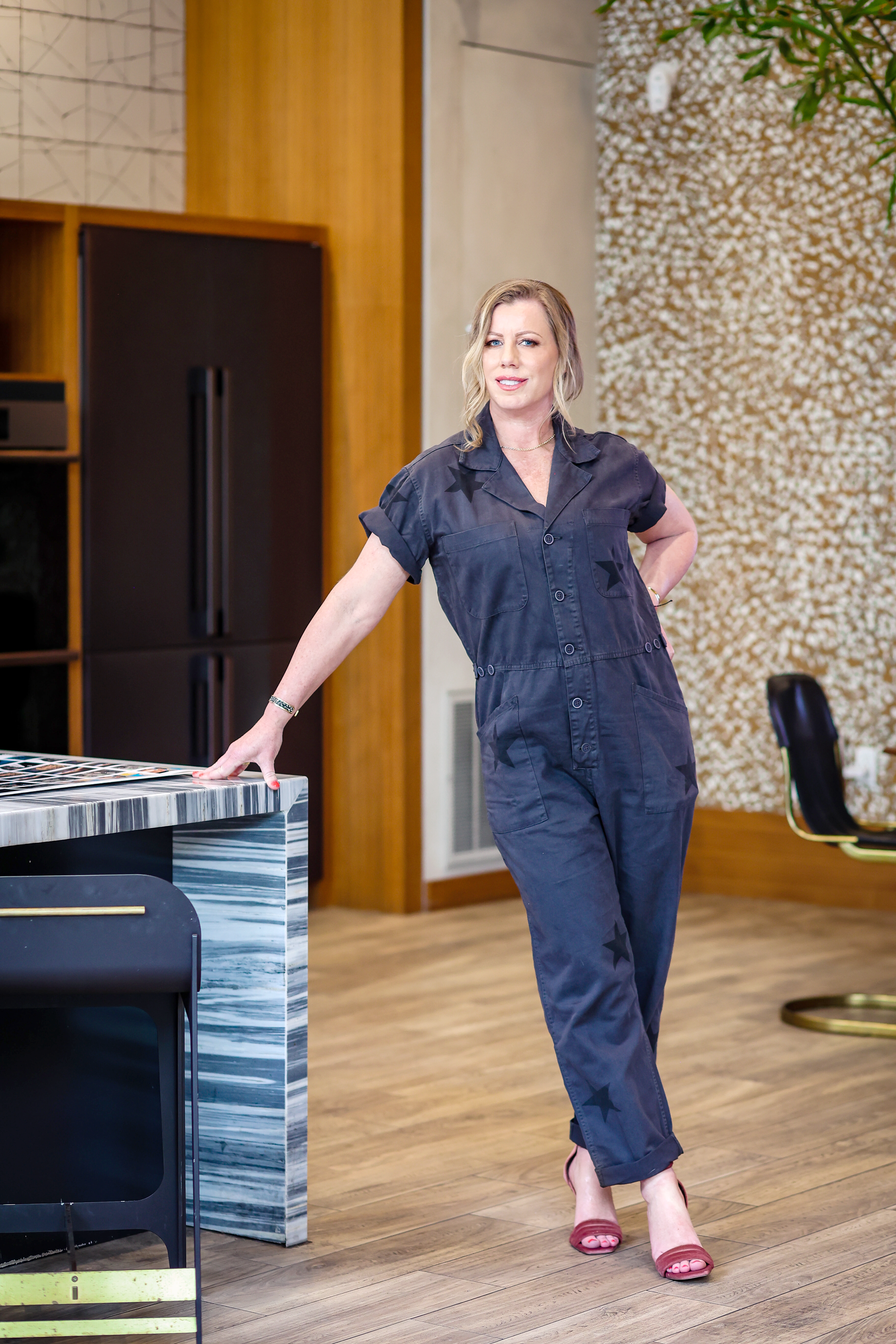
HI! MY NAME IS ERIN AND I’M COMMITTED TO HELPING SMALL BUSINESS OWNERS  BUILD BEAUTIFUL BRANDS:

Fresh squeezed with all the Ooey Gooey Goodness!