
Owner PULP Brand Studio
To truly get creative you first have to capture your brands essence and expand from there, you must understand its core values, its aspirations, and its unique personality before you star anything. What makes your brand tick? Is it all about adventure, pushing boundaries, or perhaps it’s rooted in tradition and reliability? Get to know your brand as intimately as you can and then expand your ideas off of that.
Next it’s time to dive into the inspiration. Cast your net wide and far, from the realms of creative websites and branding on sites like awwwards to logo galleries, modern art, nature, and even fashion sites. Immerse yourself in a bubbling cauldron of creative stimuli, letting all wild ideas out (go big and refine later). Remember, the more diverse your sources of inspiration, the more original and captivating your logo design will be.
As you gather this treasure trove of inspiration, give yourself permission to let your imagination roam free, like a mischievous sprite in a mystical forest. Arm yourself with a trusty sketchbook and unleash a torrent of ideas onto its pages. Let your pencil dance, creating a symphony of shapes, symbols, and typographic experiments. Don’t be afraid to let your creativity flow like a river, even if some sketches seem wild or outlandish at first.
Once your sketches have populated the pages with a multitude of possibilities, it’s time to embark on a voyage of refinement. Channel your inner alchemist and distill the essence of each concept, seeking the purest form that encapsulates your brand’s soul. Simplify, refine, and polish until your logo shines brighter than a supernova on a summer’s night.
Now, let’s talk colors and typography—your brand’s sartorial choices in the realm of design. Dive into the vast palette of hues, shades, and tints, selecting those that harmonize with your brand’s essence. Will you choose a vibrant spectrum that bursts with energy, or will you opt for a subdued palette that exudes elegance and sophistication? As for typography, let your fonts speak volumes about your brand’s voice. Will it be bold and commanding, whimsical and playful, or classic and timeless? Choose wisely, for these design elements will be the heralds of your brand’s personality.
With colors selected and fonts in place, it’s time to embark on a grand expedition into the realm of layouts and compositions. Play, experiment, and tinker with the arrangement of elements like a master puzzle solver. Shift, rotate, stack, or intertwine them in ways that transcend the ordinary, crafting a design that mesmerizes and captivates. Embrace the unexpected, for it is in these moments of creative exploration that true genius is often discovered.
But remember, dear adventurer, no quest is complete without the wisdom of others. Seek the counsel of trusted confidantes, fellow creative souls, and even your target audience. Their insights and perspectives will guide you toward refining your logo design until it sparkles like a diamond on a starlit night.
As your logo design takes its final form, it’s time to breathe life into it like a benevolent sorcerer. Harness the power of vector graphics, transforming your creation into a versatile entity capable of scaling across the vast realms of digital and print media. Let your logo soar high on websites, business cards, merchandise, and billboards, leaving an indelible mark on the hearts and minds of all who encounter it.

A creative logo design stands out from the crowd and captivates viewers with its uniqueness, ingenuity, and visual impact. Here are some key factors that contribute to making a logo design creative:
Visual Harmony: Creative logos strike a balance between various design elements such as symbols, typography, colors, and negative space. Each component harmoniously interacts with the others, creating an overall design that is visually pleasing and cohesive.
Remember, creativity in logo design is a continuous process of exploration, innovation, and pushing boundaries. It’s about finding that sweet spot where aesthetics, strategy, and brand identity converge to create a visually captivating and impactful logo.
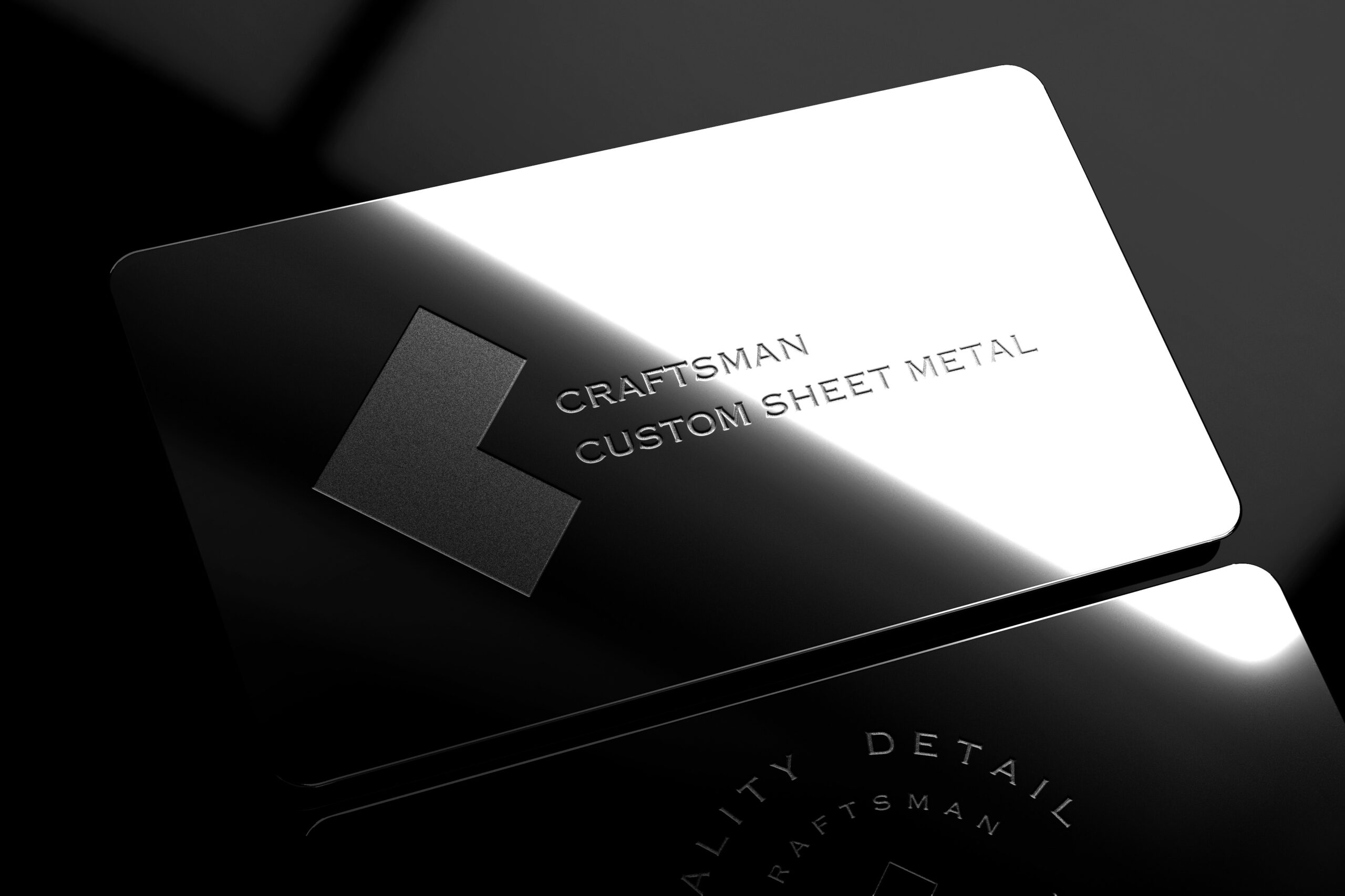
A logo is comprised of several key components that work together to create a cohesive and visually appealing design. Here are the main components of a logo:
Symbol/Icon: The symbol or icon is a visual representation that embodies the essence of the brand. It can be an abstract shape, a stylized object, or a recognizable symbol that is associated with the brand. The symbol should be unique, memorable, and easily identifiable, even when used in small sizes.
Typography/Wordmark: Typography refers to the selection and arrangement of fonts or typefaces used in the logo. A wordmark is a logo that primarily consists of the brand name or a custom-designed typographic treatment. Typography plays a crucial role in communicating the brand’s personality and creating a distinct visual identity.
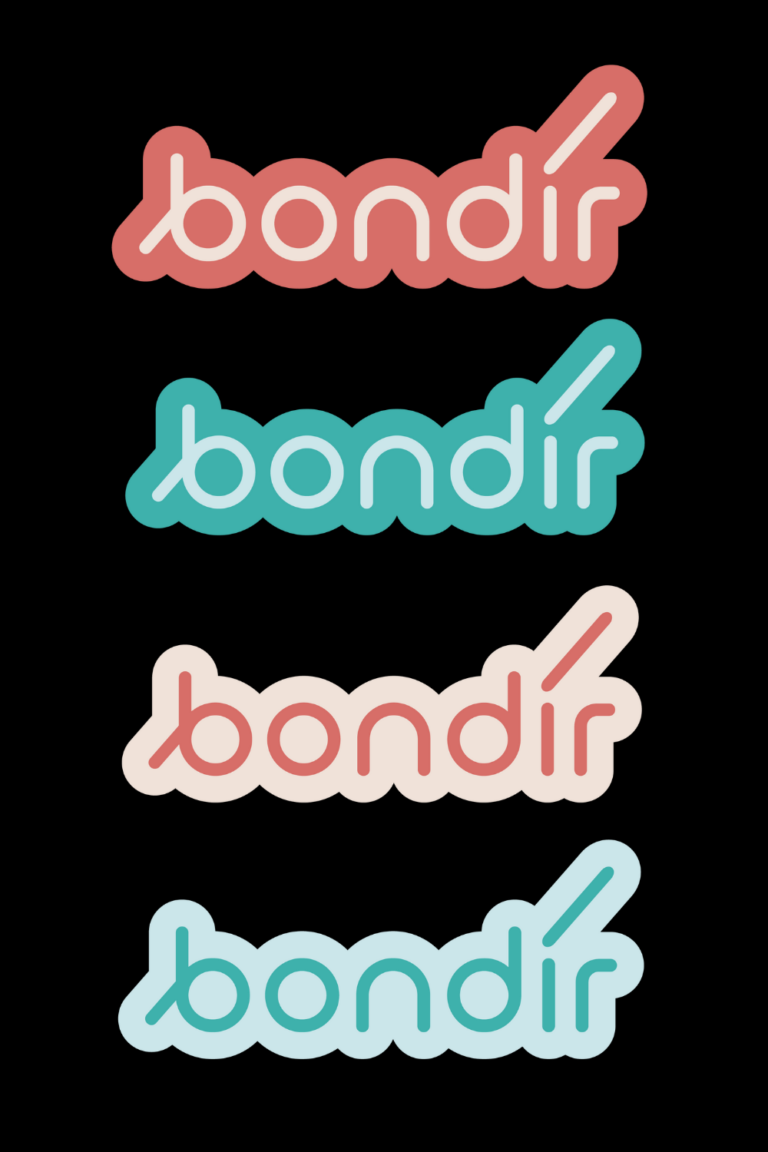
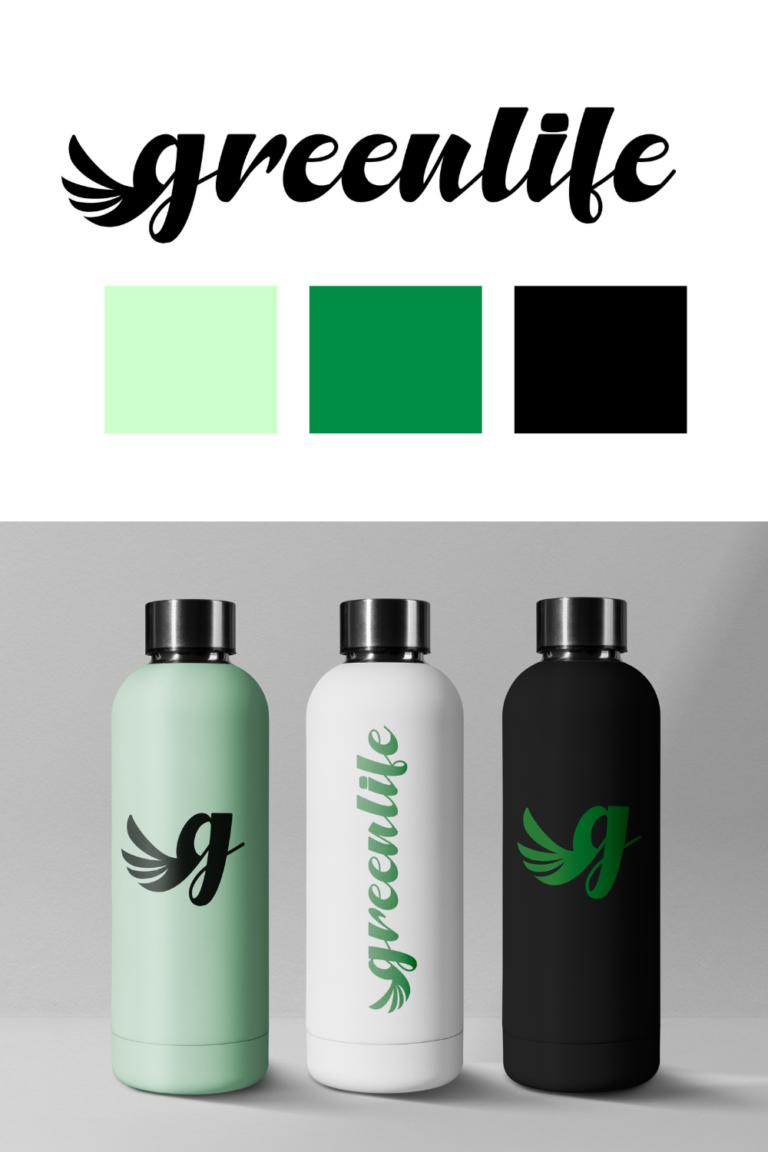
Color Palette: The color palette refers to the specific set of colors used in the logo. Colors evoke emotions and convey meaning, so choosing the right colors is essential. The color palette should align with the brand’s personality, target audience, and industry. It’s common to have a primary color and a secondary color(s) to create visual harmony.
Proportions/Scale: The proportions and scale of a logo determine its overall balance and visual impact. Elements within the logo, such as the symbol and typography, should be harmoniously sized and positioned relative to each other. The logo should work well at various sizes, from small icons to larger applications like signage or vehicle wraps.
Negative Space: Negative space refers to the empty or blank space surrounding and within the logo design. Skillful use of negative space can create hidden meanings, clever visual illusions, or add depth and intrigue to the logo. It’s an effective technique to make the design more memorable and engaging.
Consistency/Coherence: A successful creative logo design maintains consistency and coherence throughout all its elements. The components should work together seamlessly, visually reinforcing the brand’s identity and creating a unified message. Consistency ensures that the logo remains recognizable across different platforms and applications.
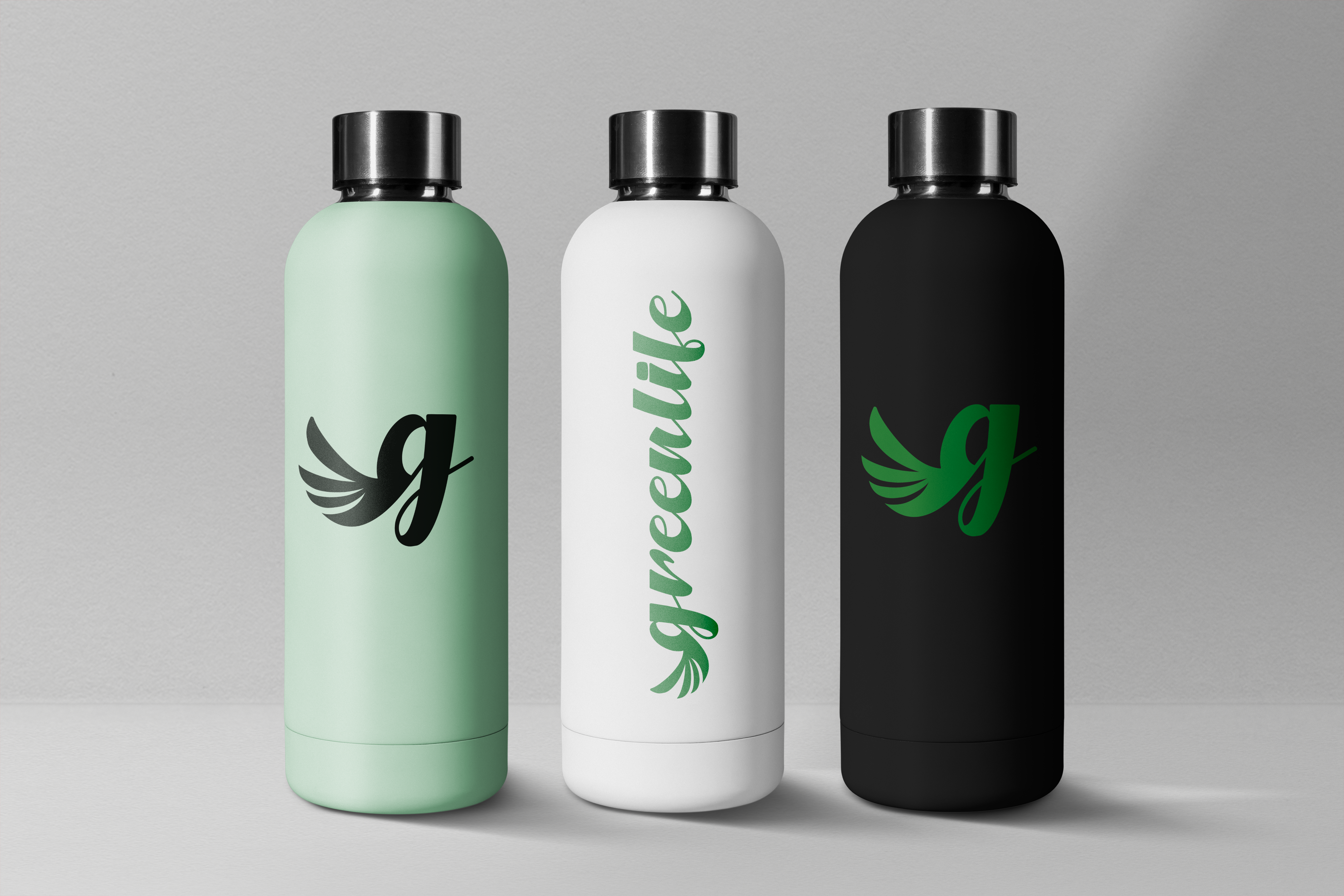
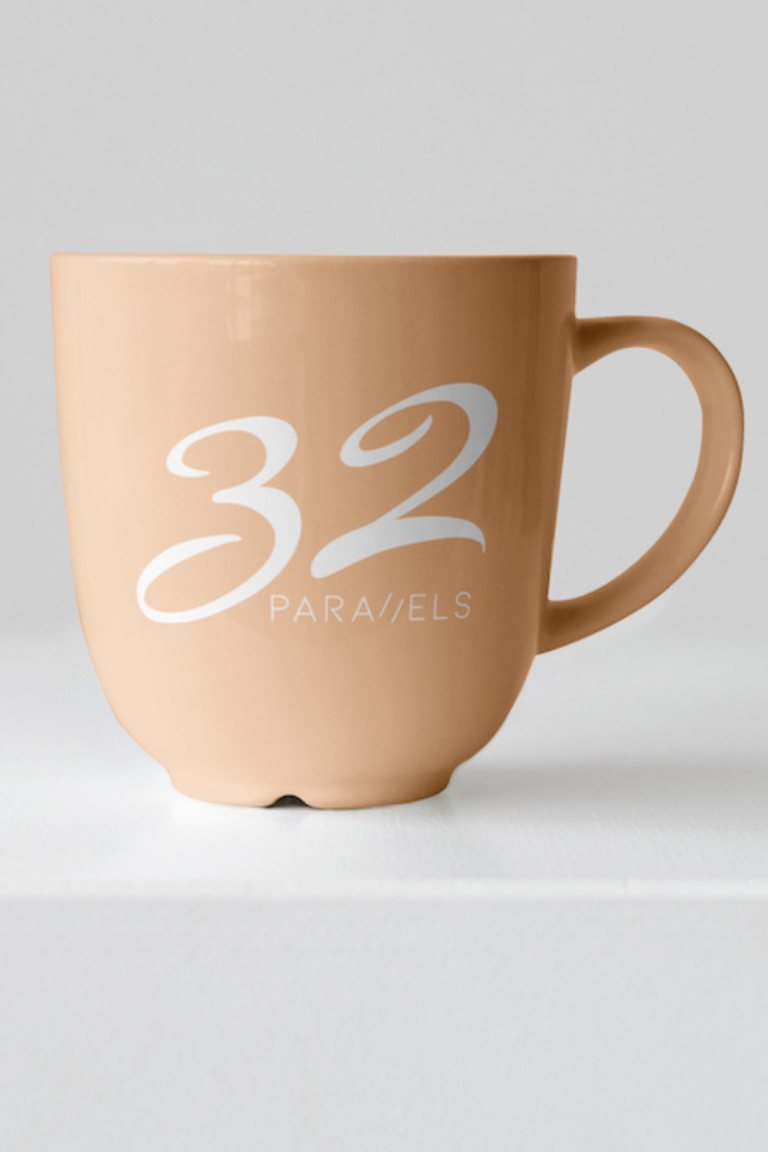
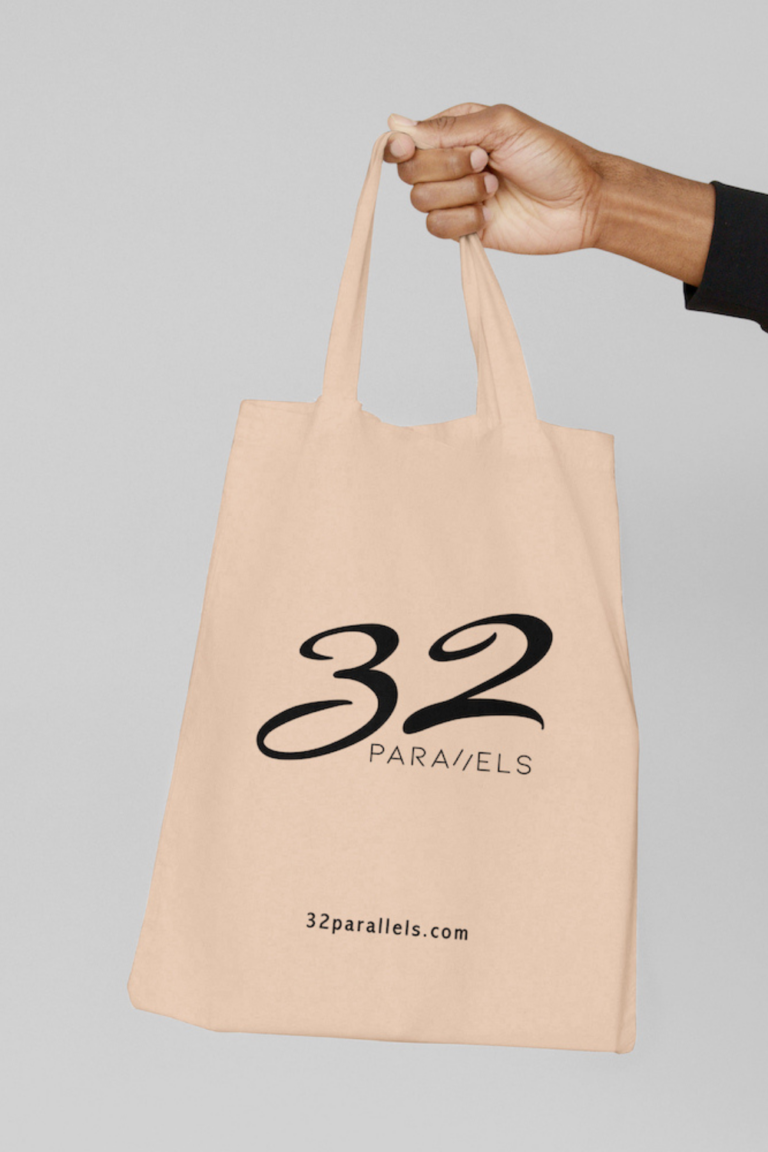
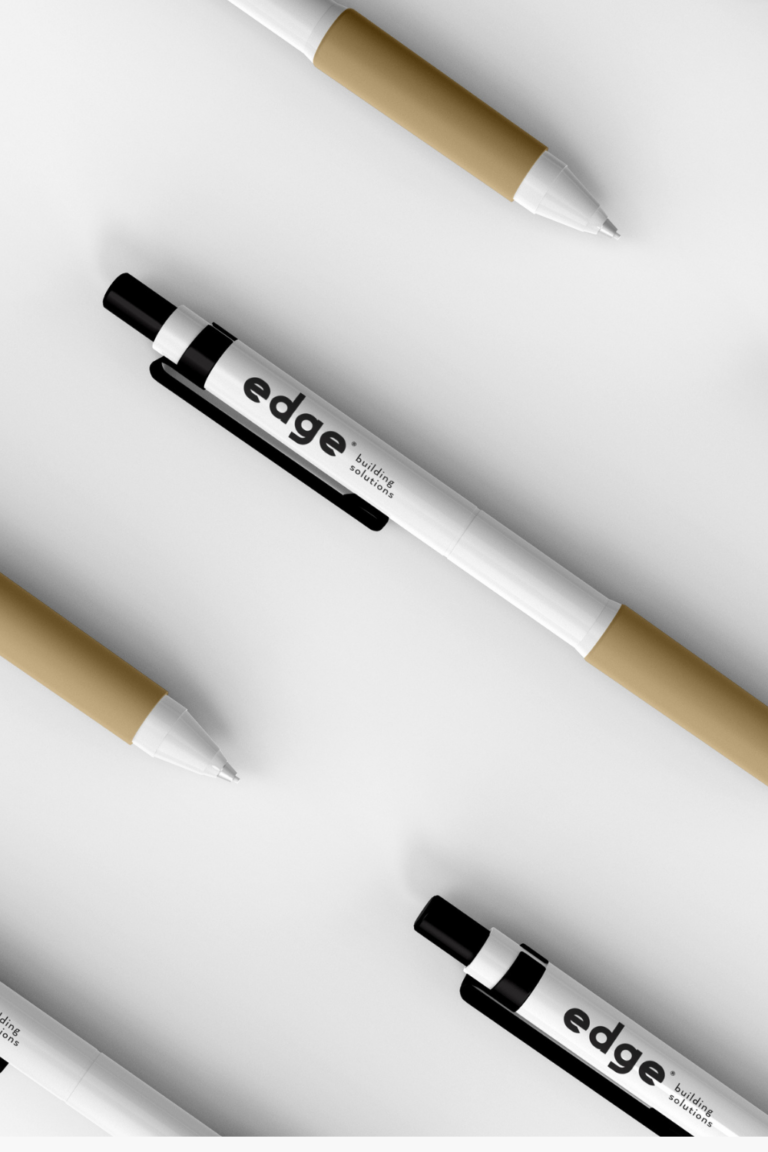
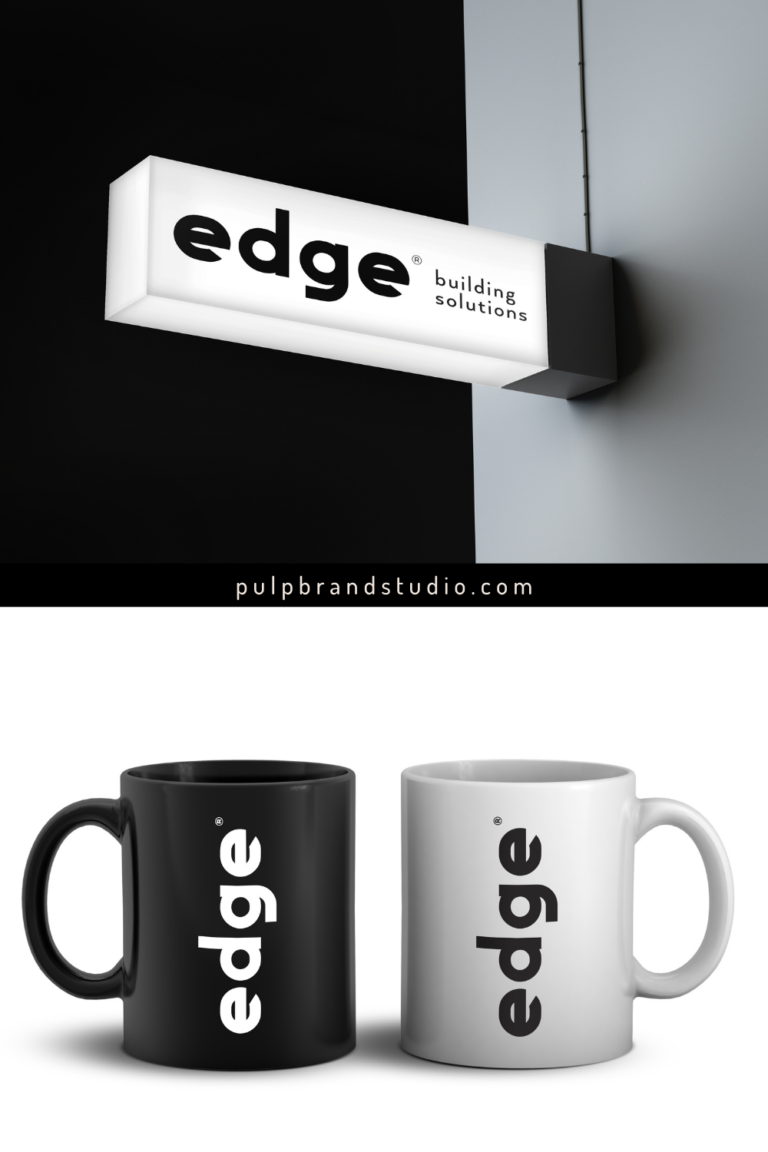
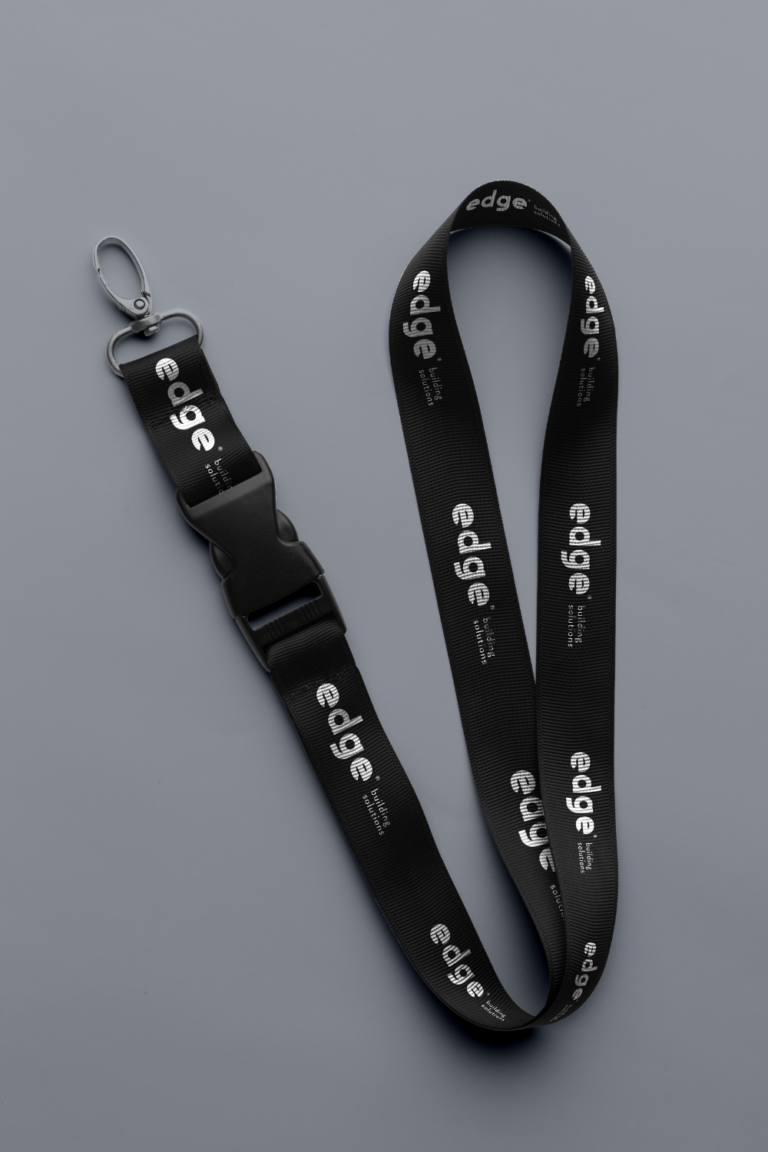
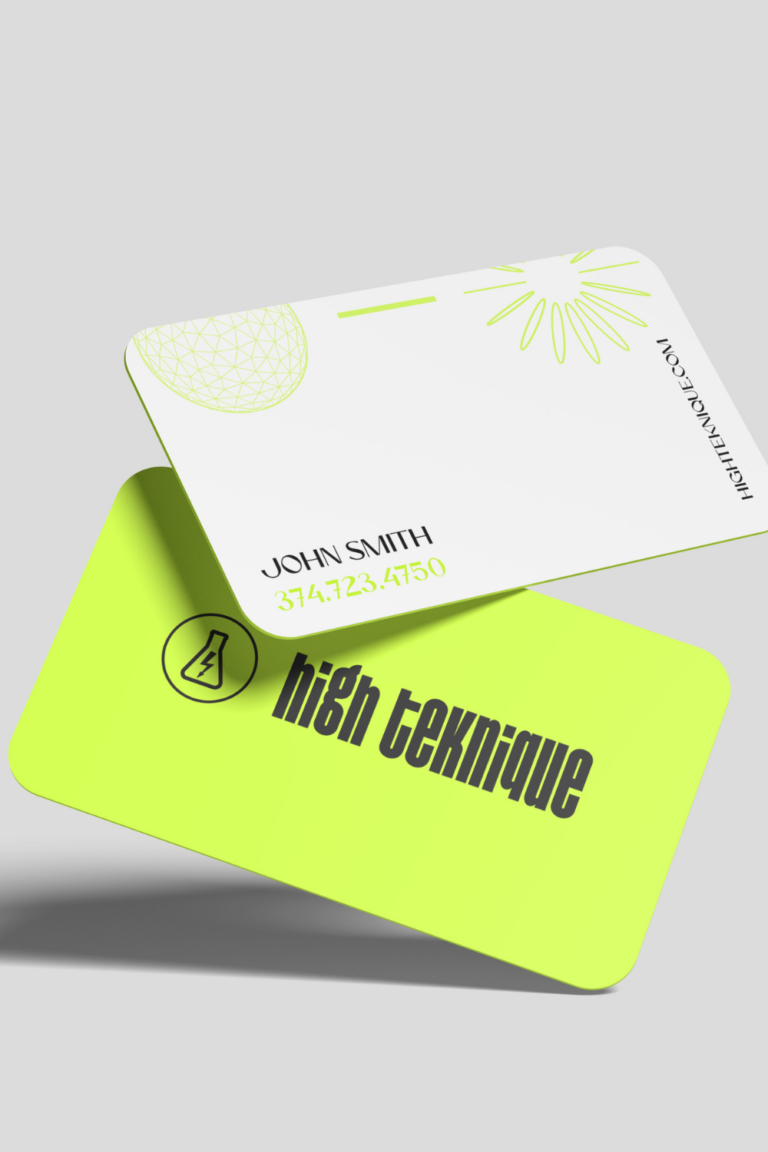
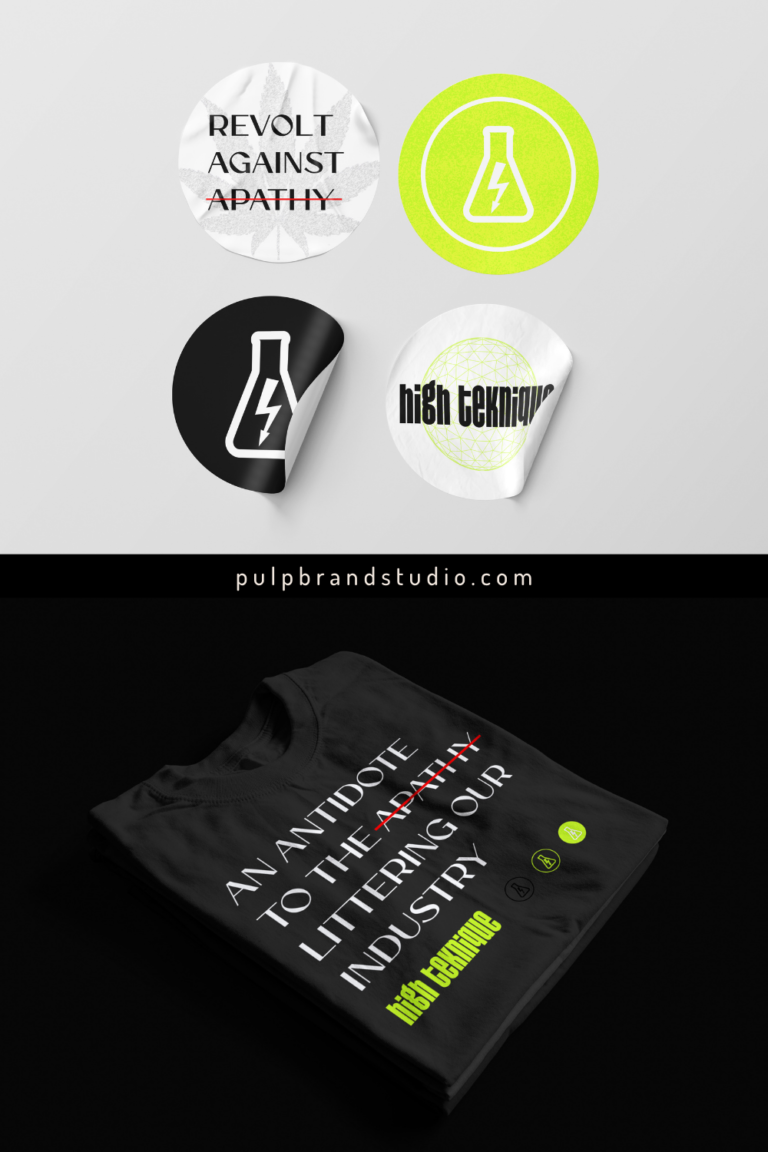
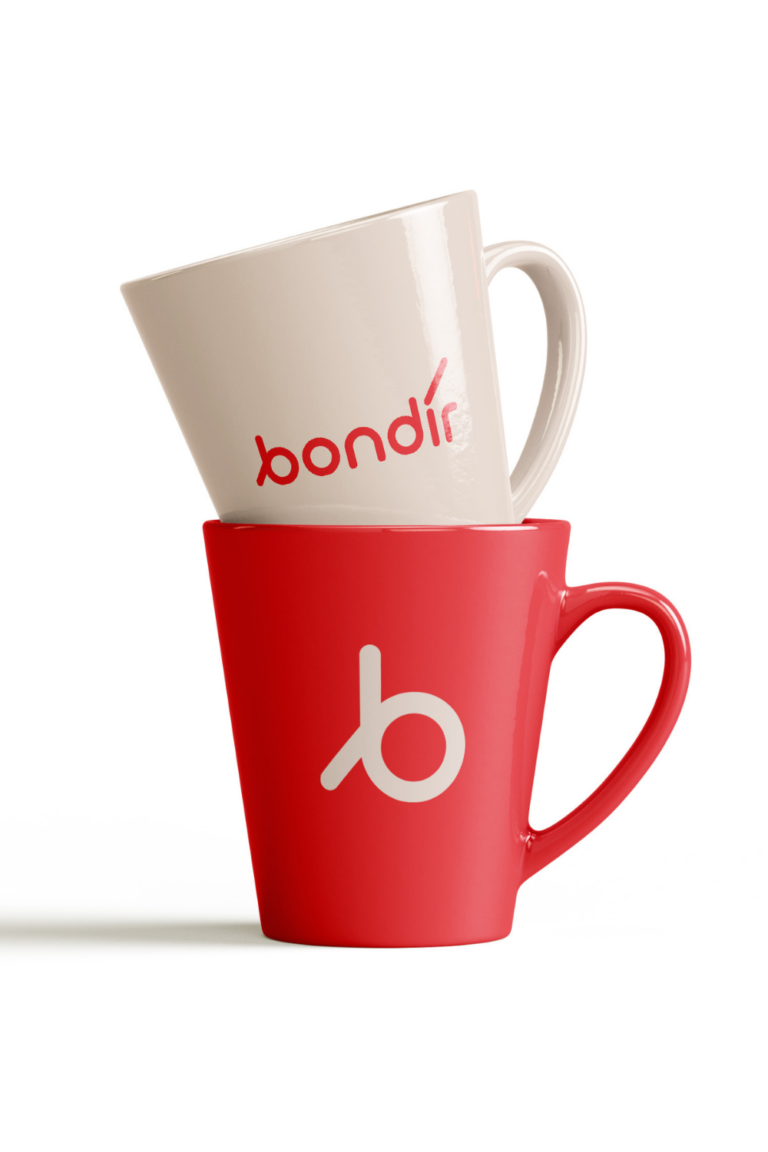
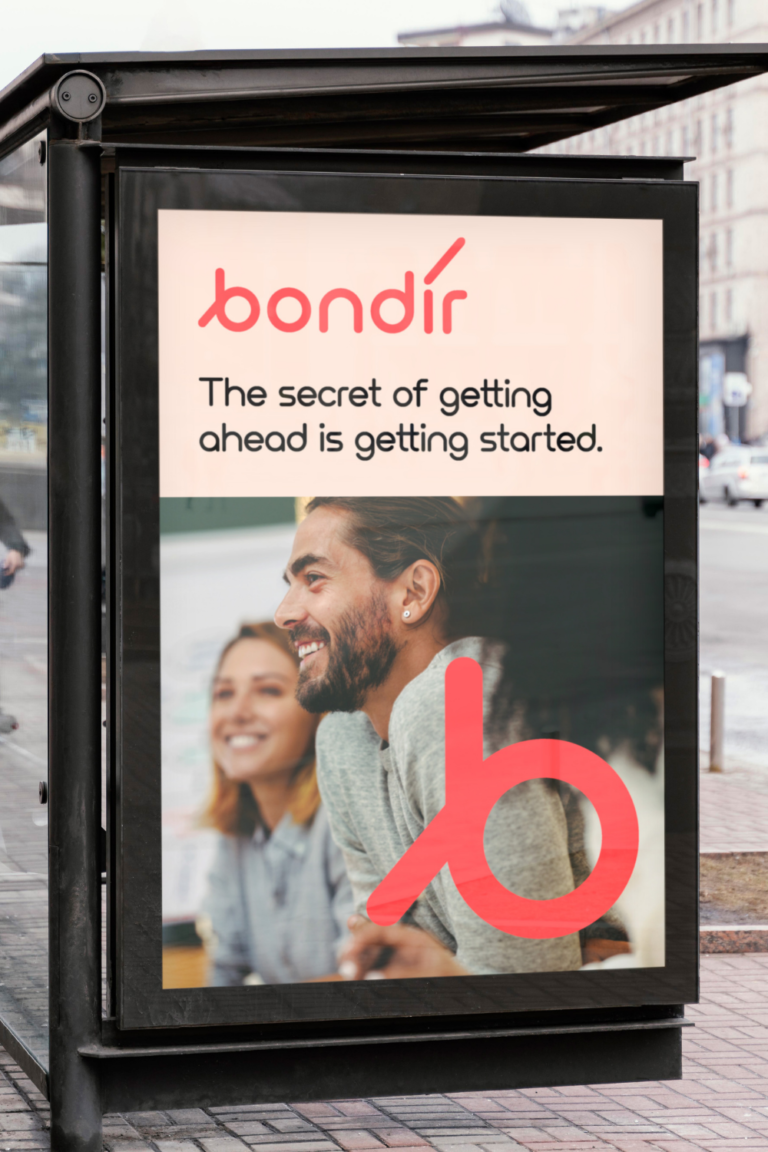
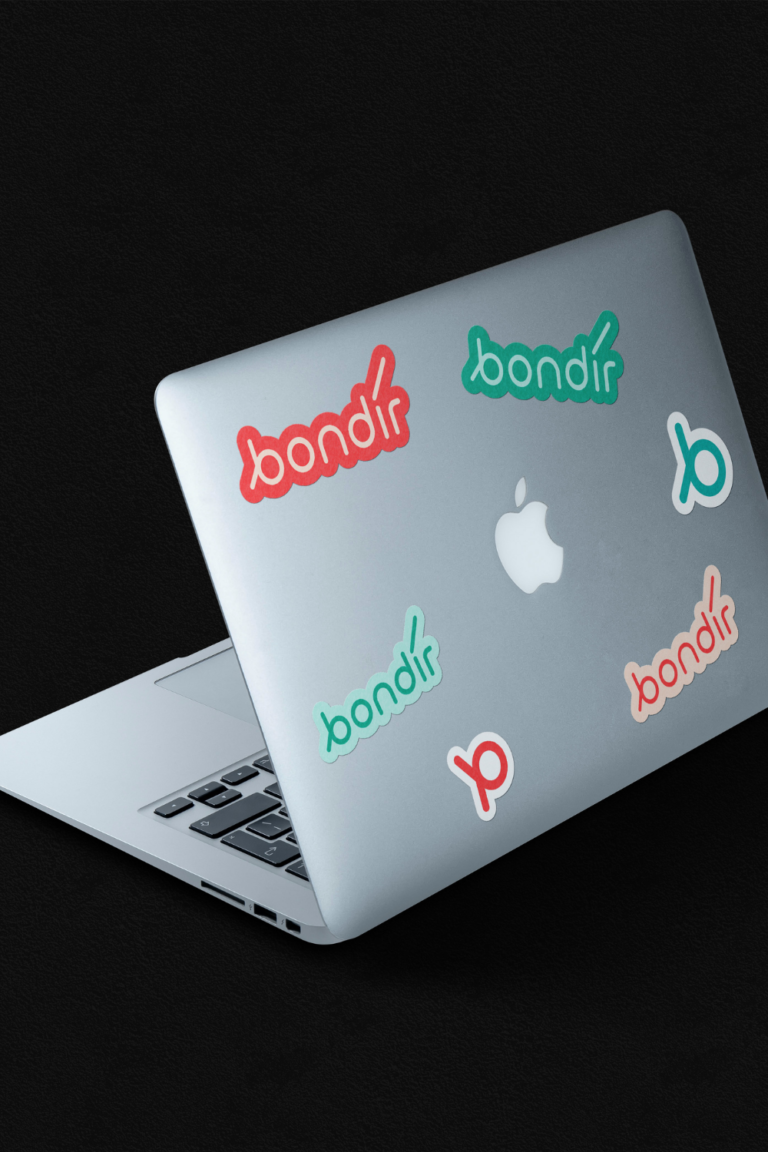
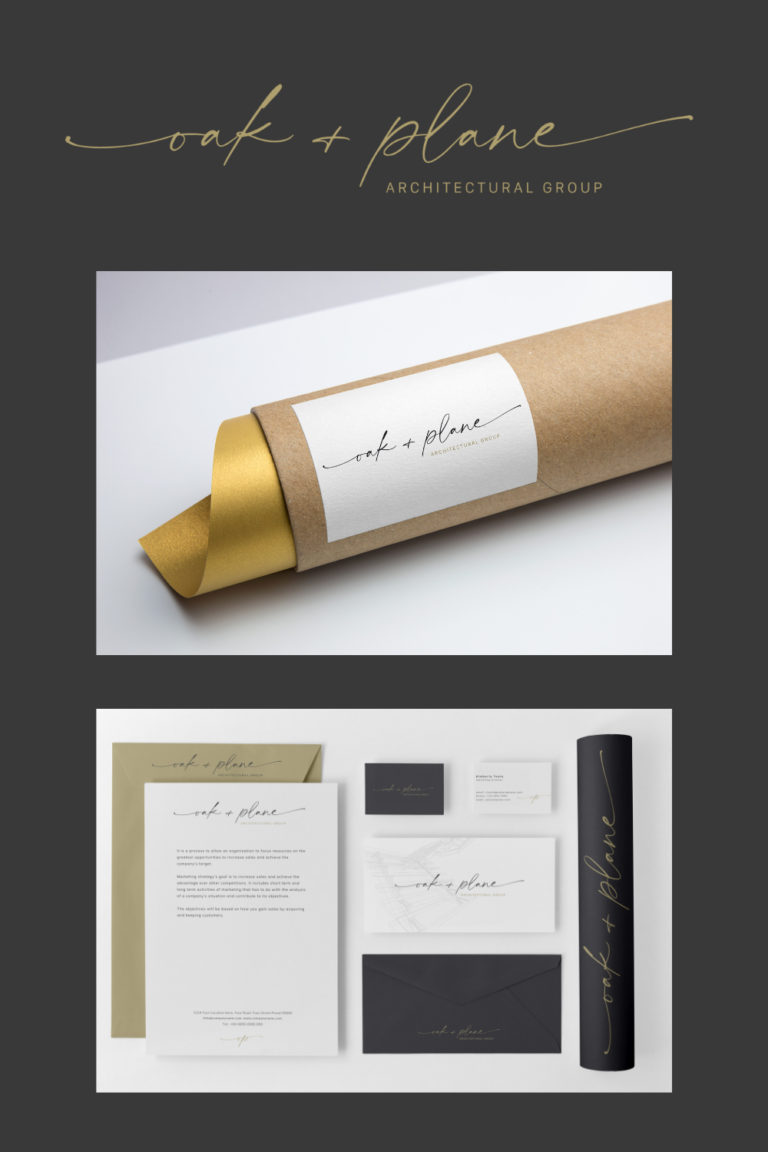
Versatility/Adaptability: A well-designed logo should be versatile and adaptable to various mediums and formats. It should maintain its integrity and legibility whether it’s displayed on a website, printed on a business card, or used on promotional merchandise. Scalability and adaptability are achieved through the use of vector graphics.
These components are not set in stone and can vary depending on the specific brand and design requirements. The key is to create a logo that effectively represents the brand, resonates with the target audience, and stands the test of time. Have fun!



















HI! MY NAME IS ERIN AND I’M COMMITTED TO HELPING SMALL BUSINESS OWNERS BUILD BEAUTIFUL BRANDS:
Fresh squeezed with all the Ooey Gooey Goodness!
| Cookie | Duration | Description |
|---|---|---|
| cookielawinfo-checkbox-analytics | 11 months | This cookie is set by GDPR Cookie Consent plugin. The cookie is used to store the user consent for the cookies in the category "Analytics". |
| cookielawinfo-checkbox-functional | 11 months | The cookie is set by GDPR cookie consent to record the user consent for the cookies in the category "Functional". |
| cookielawinfo-checkbox-necessary | 11 months | This cookie is set by GDPR Cookie Consent plugin. The cookies is used to store the user consent for the cookies in the category "Necessary". |
| cookielawinfo-checkbox-others | 11 months | This cookie is set by GDPR Cookie Consent plugin. The cookie is used to store the user consent for the cookies in the category "Other. |
| cookielawinfo-checkbox-performance | 11 months | This cookie is set by GDPR Cookie Consent plugin. The cookie is used to store the user consent for the cookies in the category "Performance". |
| viewed_cookie_policy | 11 months | The cookie is set by the GDPR Cookie Consent plugin and is used to store whether or not user has consented to the use of cookies. It does not store any personal data. |