
Owner PULP Brand Studio & Ooey Gooey Creative

I’ve been waiting for this. After years of brands chasing polished, picture-perfect visuals, things are finally getting messy again. And I love it. The raw, unfiltered aesthetic is back, bringing with it an energy that feels like a breath of fresh air in a world that has been way too cleaned up.
Spending time in Berlin changed the way I see design. There’s nowhere else quite like it—layers of posters on crumbling walls, underground galleries in abandoned buildings, art that feels like it was created in the middle of the night by someone who had something to say and no interest in asking for permission. The city itself is a testament to the beauty of imperfection. It’s chaotic, expressive, unapologetic. And that’s exactly why I love it. That energy is what I see making its way back into design, and it couldn’t be happening at a better time.
Why Now?
For years, brands have obsessed over looking pristine. We’ve been buried in an avalanche of glossy visuals, airbrushed aesthetics, and overly calculated feeds. And honestly? It got boring. People crave something real. They want to see the mess, the process, the edges that haven’t been sanded down. This shift is the answer to that craving.
This isn’t just about nostalgia, though that plays a part. The 90s had a similar rejection of the overly polished mainstream in favor of something raw and unfiltered. That same energy is coming back, but now it’s hitting at a time when digital perfection has reached its peak, making the contrast even stronger.
What This Looks Like Today
Raw design in 2025 isn’t just a copy-paste of the past. It’s evolving. The chaotic, layered look is still there, but now it’s mixed with modern elements that make it feel fresh instead of just a throwback. Think rough textures, distorted typography, clashing colors, hand-drawn elements, and unpredictable layouts. Brands and designers are leaning into this, moving away from cookie-cutter aesthetics and embracing something that feels less manufactured.
And it’s not just for underground brands or indie creators. Big names are catching on too. You’ll see this raw aesthetic creeping into high fashion, streetwear, album covers, and even corporate branding that’s trying to shake off a too-polished image. Everyone is feeling the pull toward something that doesn’t look like it was spit out of an algorithm.
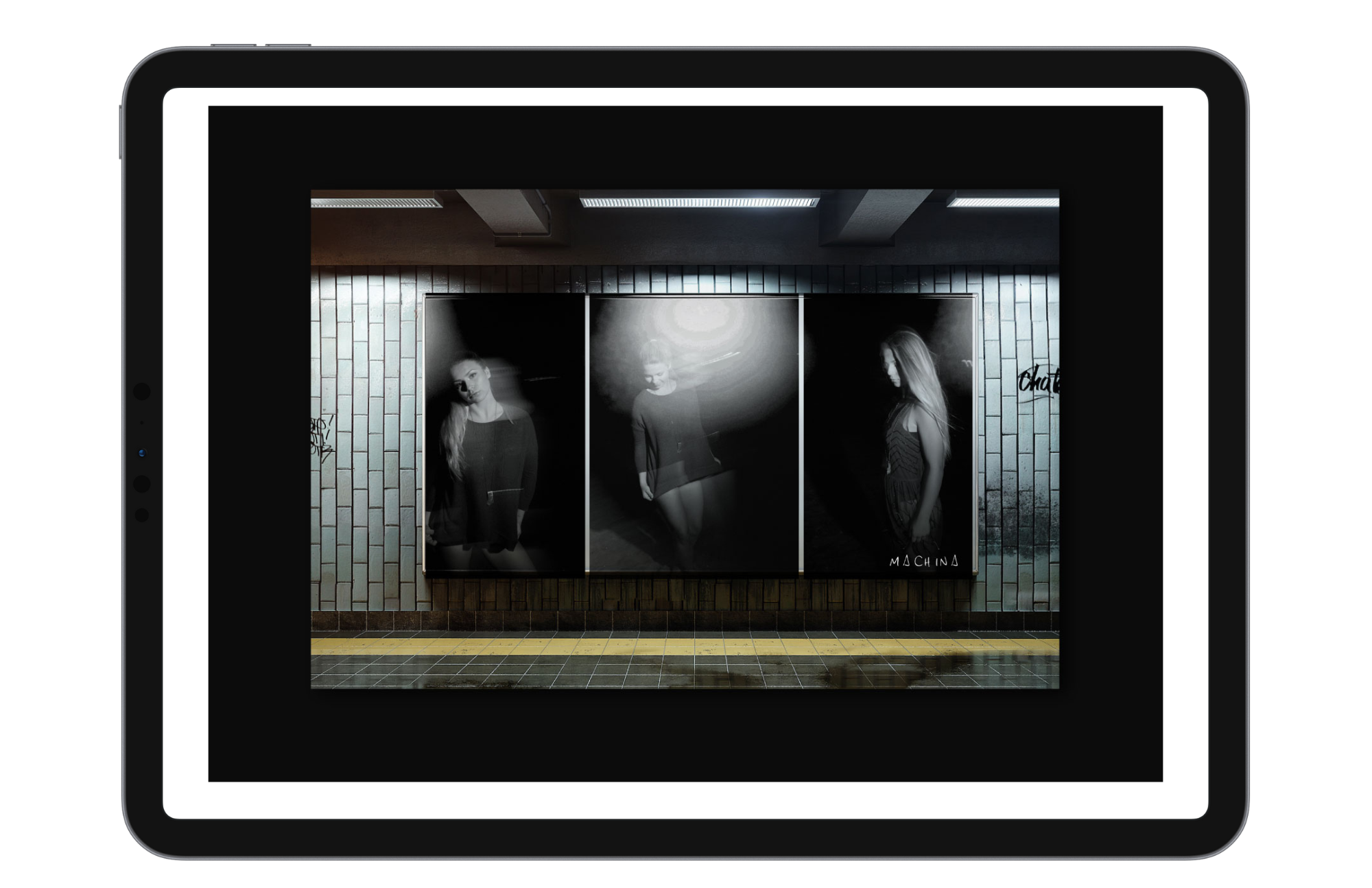
People connect with things that feel human. When everything is overly refined, it starts to feel lifeless. This movement reminds us that real life is messy. It gives brands and designers permission to stop obsessing over every little detail and instead focus on creating work that feels alive.
Imperfection also carries emotion in a way that perfection never can. A distressed texture, a ripped edge, a chaotic layout—these things create a feeling. They remind people of zines, underground art scenes, late-night DIY projects. They have history and grit. They make you feel something, even if that something is a little chaotic.
Walking through Berlin’s streets, I saw this in real-time. It wasn’t just in galleries; it was in graffiti-covered tunnels, impromptu street performances, and the way artists used whatever was available to make something unforgettable. That’s the kind of energy that’s feeding into design right now—the kind that doesn’t wait for permission and doesn’t care if it makes people uncomfortable.
How Brands Can Use This Without It Feeling Forced
Not every brand can or should go full raw and unpolished. But every brand can take something from this movement. It might be as simple as ditching the hyper-polished aesthetic for something with more texture and personality. Maybe it’s about letting go of perfect symmetry or embracing rougher typography. Maybe it’s allowing behind-the-scenes content that isn’t perfectly staged.
The key is to do it in a way that makes sense. If a brand suddenly adopts a messy look just because it’s trending, people will see right through it. This works best when there’s a real connection between the brand’s values and the aesthetic it puts out into the world.
Why I’m Excited About This Shift
As a designer, I’ve always gravitated toward visuals that have personality. I love when things feel lived-in, when there’s texture, when something looks like it’s been through something instead of just existing in a digital vacuum. The return of raw, imperfect design is a signal that people are ready for work that feels real again.
It’s also a sign that brands are waking up to the fact that connection matters more than perfection. And if this means we’re going to see more work that feels experimental and just a little messy, then I am all the way in.
If your brand is feeling a little too polished and you’re ready to bring in something with more edge, let’s talk. Because this movement isn’t just a trend—it’s a shift in how we think about design, branding, and the way we connect with people. And I, for one, am here for it.


Hi, I Erin and committed to helping you build a brand you love!
Fresh squeezed with all the Ooey Gooey Goodness!
| Cookie | Duration | Description |
|---|---|---|
| cookielawinfo-checkbox-analytics | 11 months | This cookie is set by GDPR Cookie Consent plugin. The cookie is used to store the user consent for the cookies in the category "Analytics". |
| cookielawinfo-checkbox-functional | 11 months | The cookie is set by GDPR cookie consent to record the user consent for the cookies in the category "Functional". |
| cookielawinfo-checkbox-necessary | 11 months | This cookie is set by GDPR Cookie Consent plugin. The cookies is used to store the user consent for the cookies in the category "Necessary". |
| cookielawinfo-checkbox-others | 11 months | This cookie is set by GDPR Cookie Consent plugin. The cookie is used to store the user consent for the cookies in the category "Other. |
| cookielawinfo-checkbox-performance | 11 months | This cookie is set by GDPR Cookie Consent plugin. The cookie is used to store the user consent for the cookies in the category "Performance". |
| viewed_cookie_policy | 11 months | The cookie is set by the GDPR Cookie Consent plugin and is used to store whether or not user has consented to the use of cookies. It does not store any personal data. |